 +91-9216822620
  grand@giei.co.in
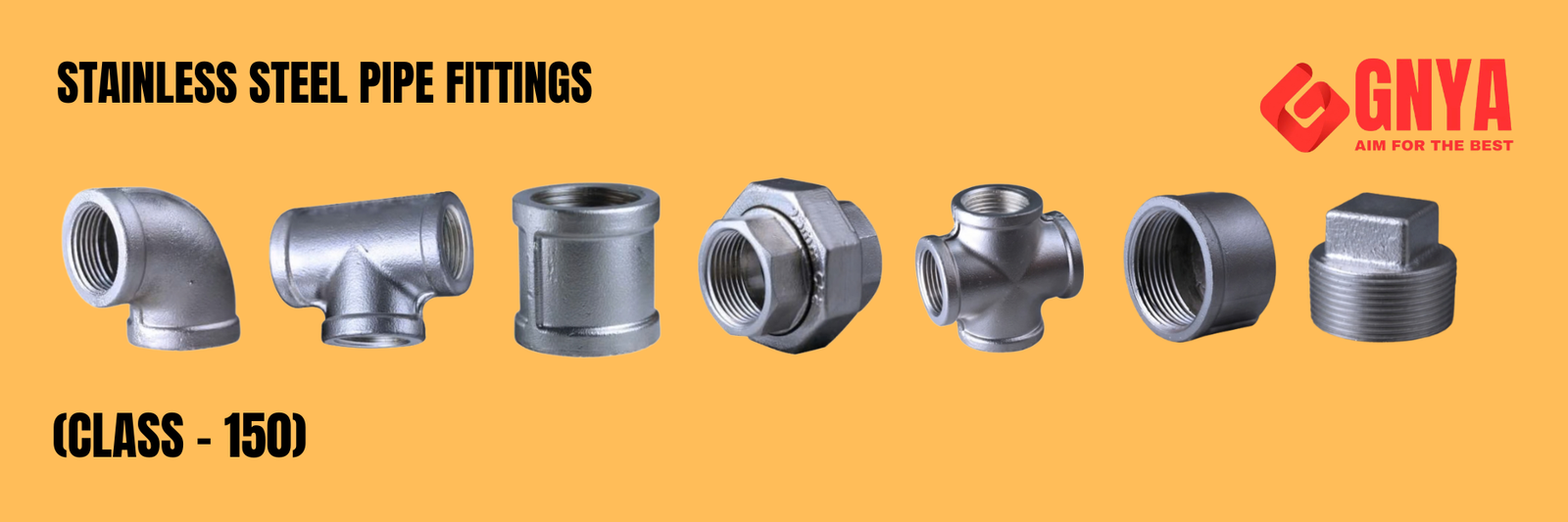
Stainless steel pipe fittings are critical components in modern piping systems, valued for their durability and specialized performance in harsh environments. Their key features are summarized below:
1. Material Properties & Grades
- High Corrosion Resistance: A minimum chromium content of 10.5% forms a self-healing oxide layer that prevents rust and degradation, even when exposed to moisture, salts, or acids.
-
Common Grades:
- SS 304/304L: Standard grade for general industrial and residential plumbing.
- SS 316/316L: Contains molybdenum for enhanced resistance to chlorides and marine environments.
2. Performance Characteristics
- Extreme Temperature Tolerance: Fittings maintain structural integrity from cryogenic conditions to extreme heat.
- High Pressure Handling: Designed to withstand high-pressure fluctuations.
- Leak-Proof Connections: Precision engineering ensures airtight and watertight seals, critical for transporting hazardous gases or expensive fluids.
3. Hygiene & Maintenance
- Sanitary Design: Smooth, non-porous surfaces prevent bacterial growth and contamination, making them essential for food, beverage, and pharmaceutical industries.
- Low Maintenance: They require no protective coatings or painting and are easy to clean using simple detergents.
- Longevity: Most systems have an expected service life, significantly reducing long-term replacement costs.
4. Design & Installation Flexibility
- Versatile Configurations: Available in diverse shapes including Elbows (45°/90°), Tees, Reducers, Couplings, Unions, and Flanges.
- Joining Methods: Can be installed via butt-weld (permanent), threaded (NPT/BSP for low pressure), or socket weld (compact/high-strength) methods.
- Aesthetic Appeal: Modern polished or mirror finishes allow fittings to be used in visible architectural applications.
5. Environmental Sustainability
- 100% Recyclable: Stainless steel is fully recyclable without losing its mechanical properties, supporting eco-friendly industrial practices.